


The National Oceanic and Atmospheric Administration (NOAA) is already reporting that a rapidly strengthening El Niño is present and has a greater than 90% chance of becoming a "very strong" or historic event this fall and winter. What does that mean for California? Rain, and lots of it. For commercial building owners, that much precipitation can put a roof's condition and drainage system to the test.
So let’s talk about what to do right after different types of storms and what kinds of damage to look for after each. We’ll also talk about when to bring in a professional for a commercial roof inspection.
What to Do After a Major Storm: How to Inspect Your Commercial Roof
Even if damage isn’t readily apparent, it’s a good idea to conduct a visual inspection of your store, office, or warehouse after a severe storm. It’s often less expensive to repair damage when it’s first discovered.
Start with the safest approach. Inspect the building interior and visible roof areas from a safe location rather than immediately attempting to walk the roof. You should check interior ceilings, walls, and other areas below the roof for new staining, moisture, discoloration, unusual odors, or other changes that may indicate water getting through the roof.
Moving to the exterior, look for indicators of damage including displaced materials, damaged flashing, debris, or unusual areas of standing water. Any time that insurance may be involved, avoid disturbing or attempting to repair suspected damage before its condition has been properly documented.
- Bonus Tip: Don’t forget to photograph and document anything that looks different from before the storm or is otherwise cause for doubt.
No Leak Doesn't Mean No Damage
There are many different types of roof damage, and not all of them cause a roof to leak immediately. Storm-related problems include damaged membranes, loosened flashing or attachments, punctures, compromised seams, drainage problems, and other issues that may not manifest as a leak that makes it into the interior of the building right away. Some significant storm damage only becomes apparent after repeated exposure to rain, wind, or standing water, which makes post-storm inspections important, even when the building appears to be dry.
Unusually severe storms can turn small structural issues into more extensive damage, but early attention can prevent relatively small issues from becoming big problems.
What to Look For After Different Types of Storms
Different storms cause different types of damage. Knowing what to look for can help you recognize potential problems, but a professional should evaluate any suspected damage. Avoid climbing onto a roof that may have been damaged or compromised by severe weather. Here are some of the different kinds of storm damage California commercial buildings may experience and what to look for.
- Heavy rain: Look for interior staining or moisture, overflowing drainage systems, clogged drains, areas of ponding water, and other signs that the roof or drainage system struggled with the volume of water.
- High winds: Look for displaced or loosened flashing, visible changes to roof coverings, damaged edge materials, and signs that membranes, attachments, or other components may have shifted.
- Hail: Look for visible surface damage, punctures, bruising, cracks, or other impacts that could shorten the service life of roofing materials even when there is no immediate leak.
- Wind-driven debris: Look for localized punctures, tears, impact damage, or damage around rooftop equipment and other areas where debris may have struck the roof.
Another thing to watch for after a storm is standing water. Water that remains on the roof can point to drainage problems or other roof-performance issues, particularly when ponding persists rather than clears quickly.
Remember to document visible changes with photographs and note when the storm occurred, especially if a professional inspection or insurance claim may follow.
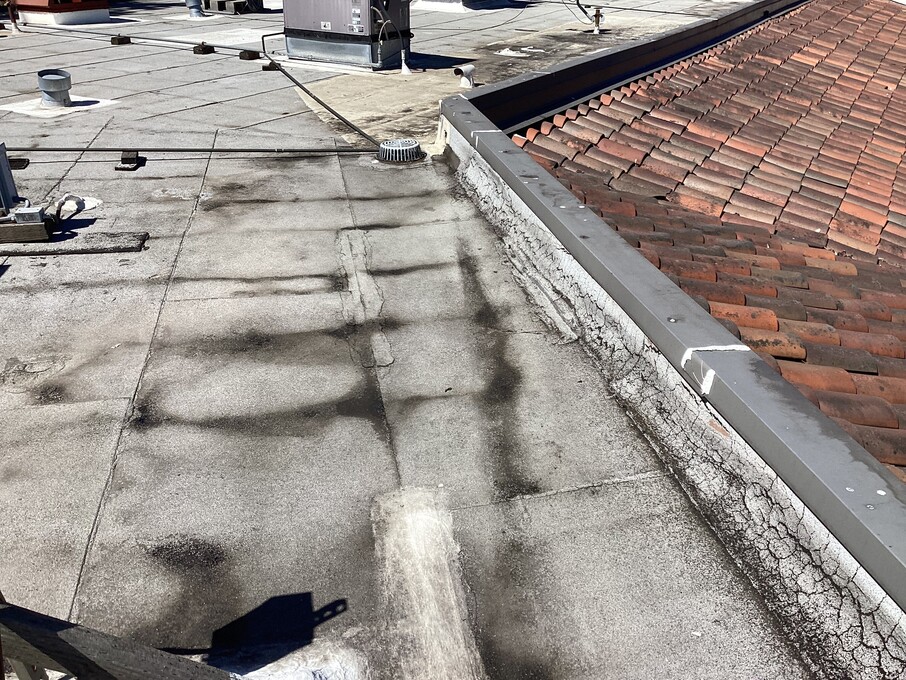
When Should You Schedule a Professional Commercial Roof Inspection?
A roofing professional knows exactly what types of damage to look for after an intense weather event. They can often spot damage while it’s still minor, before it becomes an expensive repair or a dangerous situation. These are the circumstances in which you should contact a professional.
- The storm was unusually severe: Significant wind, heavy rainfall, hail, or other extreme conditions increase the possibility of damage that may not be obvious from the ground.
- Something looks different afterward: New debris, displaced materials, damaged flashing, ponding, interior staining, or other changes warrant closer evaluation.
- The roof was already vulnerable: Older roofs, roofs with a history of leaks or repairs, and roofs with known drainage or material problems may be more susceptible to additional storm damage.
- The building experiences an interior change: New stains, moisture, odors, ceiling damage, or other changes can indicate a roof problem even when there is no active dripping.
- Major roof work is already being considered: If the roof needs significant repairs or may be approaching the end of its service life, a professional assessment can help determine whether repair, restoration, or replacement makes the most sense.
Commercial Roof Repairs and Maintenance
Commercial roofs differ from typical residential roofs in their size, design, materials, drainage systems, rooftop equipment, and maintenance requirements. Many commercial buildings use low-slope or "flat" roofing systems, where effective drainage and regular maintenance are particularly important.
With a routine inspection, you can identify deteriorating materials, damaged flashing, blocked drains, ponding water, and other problems before they contribute to more extensive damage. It’s a good idea to keep track of inspections, repairs, recurring problem areas, and the overall age and condition of the roof.
When damage is localized and the underlying roof system remains in good condition, repair may be appropriate. Restoration or replacement may be required in the event of widespread deterioration or repeated problems. It’s always best to address storm damage promptly, rather than allow small defects to be exposed to additional weather.
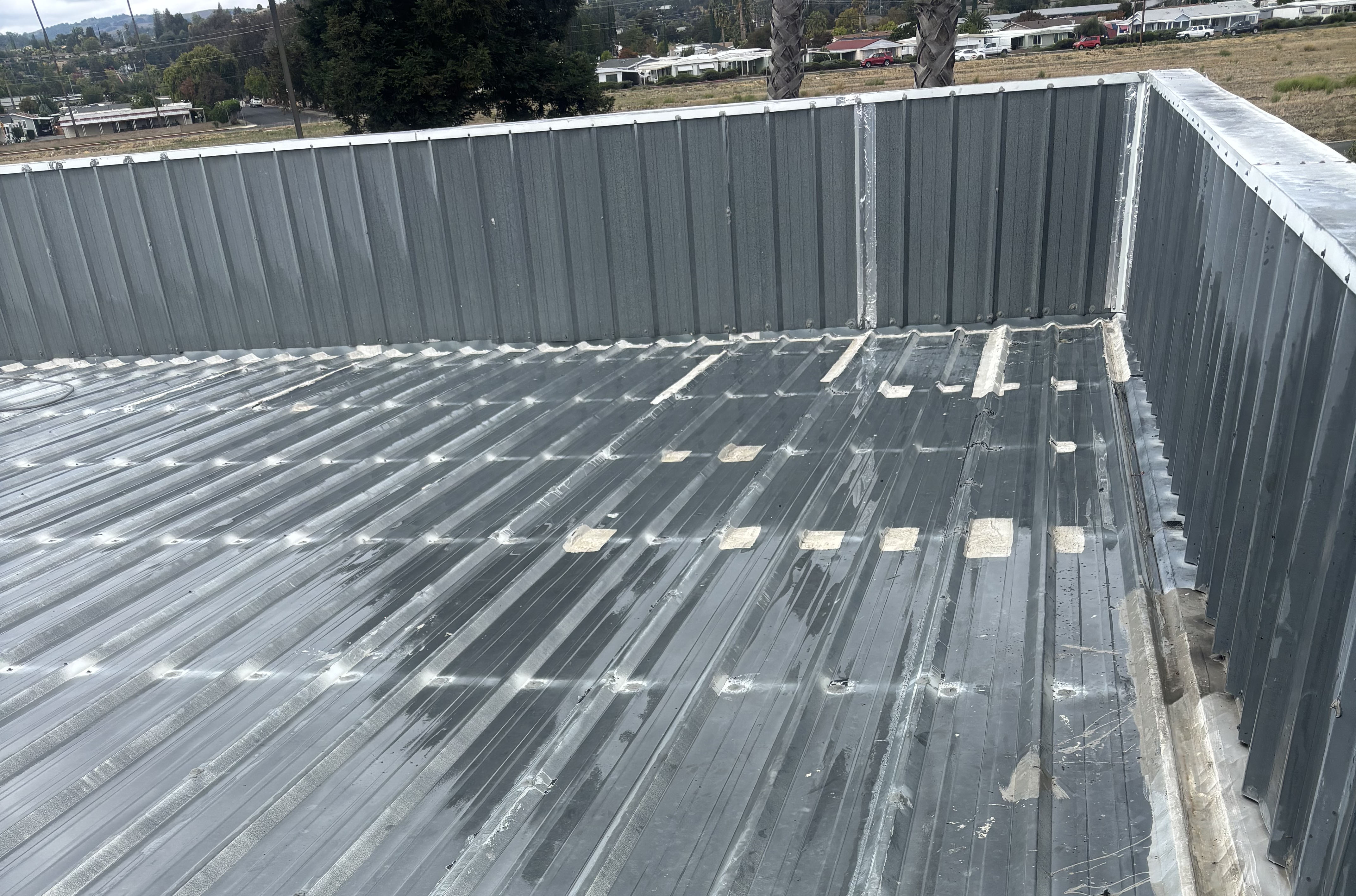
Adding Solar to Commercial Roofs
Rather than treating the two projects as completely separate decisions, it makes sense to consider adding solar when significant roofing work is being planned. A major repair, restoration, or replacement project can create an opportunity to evaluate roofing and solar plans together. If you're considering solar, have the roof evaluated to determine its condition, expected service life, and whether it is ready for a long-term solar installation. Addressing major roofing issues before installing solar can help avoid the need to remove or work around the system later.
Don't Wait for the Next Storm to Find Out
Any time your commercial building is subjected to severe weather, whether it’s heavy rain, high winds, or unusually large accumulations of snow, it’s important to inspect for visible changes, document potential problems, and address concerns before additional weather can create more damage.
Citadel has been repairing and replacing roofs since 1991. We’ve seen every kind of roof damage. We know exactly what to look for and the best way to repair it. Send us a message or call us at (800) 400-2852 to schedule a commercial roof inspection today to discuss storm damage or evaluate the condition of an existing roof.

FAQs
How often should a commercial roof be inspected in California?
Commercial roof inspections should be part of your ongoing roof maintenance. Some companies will tell you a commercial roof should be inspected twice a year, or at least once a year. The truth is that inspection frequency can vary based on roof age, condition, materials, building use, and local weather exposure. Additional inspections should be scheduled after significant storms or whenever problems are suspected.
What should I do if my commercial roof is leaking after a storm?
The first thing you should do is protect people and building contents from the immediate effects of the leak. Then document the damage and arrange a professional evaluation. Don’t assume that the visible leak location is the location where water entered the roof system.
What does standing water on a commercial roof mean?
Temporary puddling after heavy rain may not indicate a major problem. However, recurring or prolonged ponding can point to drainage or roof-performance issues. It’s a good idea to schedule a professional evaluation when standing water is frequent or persistent.
How can wind damage a commercial roof?
High winds can loosen or displace roofing materials, flashing, edge components, membranes, and attachments. Some wind damage may not be immediately visible from the ground.
Can hail damage a commercial roof even if there are no holes?
Yes, hail impacts can damage roofing materials without creating an obvious puncture. Surface impacts can affect material integrity and potentially shorten roof service life.
Should I inspect my commercial roof myself after a storm?
Perform a safe visual assessment of accessible areas and the building interior, but avoid unsafe roof access. A professional inspection is always a good idea when damage is suspected or the storm was severe.
When should a commercial roof be repaired instead of replaced?
The decision depends on the extent and location of damage, the roof's age and overall condition, its history of repairs, and its expected remaining service life. A professional assessment can help determine whether localized repair, restoration, or replacement is the appropriate long-term solution.
Can solar panels be installed on an existing commercial roof in California?
Solar can often be installed on existing commercial roofs, but the roof's condition and expected service life should be evaluated first. Major roofing work may be worth coordinating with a planned solar installation.