


Knowing When Repairs Aren't Enough
Repairs are often the less expensive option for isolated problems on commercial roofs. However, replacement is typically the smarter long-term investment when the roof has reached the end of its expected lifespan. Widespread deterioration, recurring leaks, significant storm damage, or repair costs that approach the price of a new roofing system are all signs it may be time to replace rather than repair. In other words, repair addresses localized problems while replacement is necessary to counter system-wide deterioration.
It’s important to catch the problem before any parts of the roof system fail completely. Proactively scheduling a commercial roof replacement helps protect the building structure, interior spaces, equipment, occupants, and business operations while reducing the risk of costly emergency repairs.
In this article, we’ll talk about signs that your roof needs to be inspected, repaired, or replaced. You’ll learn about the roof’s lifespan, roofing system options, tax considerations, contractor selection, and maintenance. Finally, we’ll discuss the benefits of modern roof systems.
How Long Do Commercial Roofs Last?
The lifespan of a roof depends on several factors. These include roofing materials, installation quality, climate, maintenance frequency, drainage, and foot traffic. Here are a few of the most common roofing solutions with their life expectancies (assuming the owner follows a routine inspection and maintenance schedule).
-
Built-up roofing (BUR): approximately 20-30 years
-
Modified bitumen: approximately 20-30 years
-
TPO: approximately 15-25 years
-
PVC: approximately 20-30 years
-
EPDM: approximately 22-35 years
-
Metal roofing: 30-60 years
Regardless of roofing material, regular inspections and maintenance can significantly extend the service life of the roofing system on a commercial building.
Signs Your Commercial Roof Needs to Be Replaced
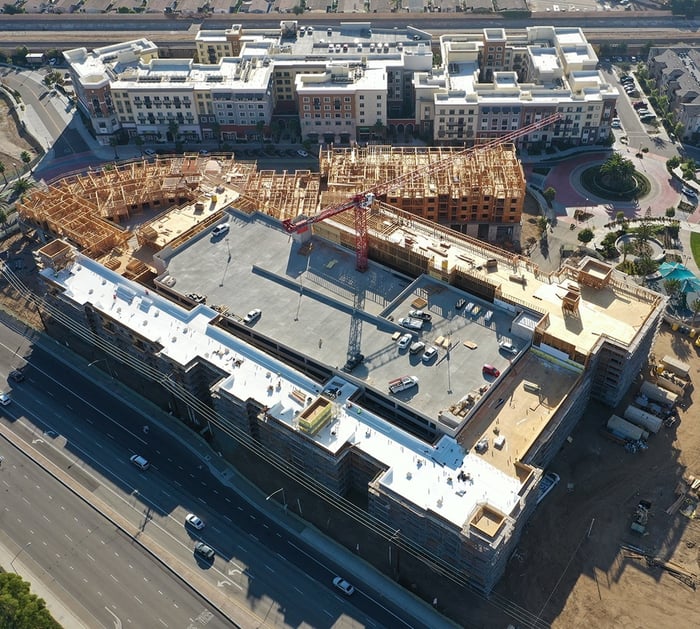
Often, the first indicator that your roof should be evaluated for repair or replacement is that it’s approaching its expected lifespan. Expected lifespan isn’t always accurate, however. Damage from storms, hail, wind, falling debris, or standing water (ponding) can accelerate wear on a roof system and justify replacement, even if the roof has not reached its expected lifespan. That’s why it’s always a good idea to schedule regular inspections. They could save you thousands of dollars in the long run.
Here are a few other indicators that your roof may need repair or replacement.
- Persistent leaks that continue to return despite repairs may indicate widespread system failure rather than isolated damage.
- Extensive membrane deterioration, cracking, blistering, punctures, seam failures, or exposed insulation signal declining roof performance.
- Water stains, mold, interior moisture intrusion, or damaged ceiling materials indicate the roofing system is no longer protecting the building effectively.
- Rising heating and cooling costs may indicate declining insulation performance or moisture intrusion affecting energy efficiency.
Check out “Residential Roofing 101” if you’re also interested in making sure your home’s roof is in good shape.
Benefits of Professional Commercial Roof Replacement
Your ultimate goal is to make money, so it can seem counterproductive to spend more to replace a roof when you can sneak by with a repair. The truth is, proactive replacement can actually save you money in the long run. But it’s not just about money. Professional commercial roof replacement has other benefits, as well.
Your roof’s primary purpose is to protect your inventory, equipment, tenants, and business operations from water intrusion and weather damage. An undamaged, modern roof is better equipped to handle hail, violent storms, and falling debris than an old, worn one. A modern roof also ensures that you comply with current codes and standards. In addition to improvements in your building’s utility, a new roof increases your property value and improves the building’s overall appearance.
A new roof can also save your business money. Repair costs build up over time, and a new roof reduces these recurring expenses by addressing underlying roofing system failures. Modern roofing materials, insulation, and reflective roofing systems will also improve your building’s energy efficiency. Newer roofing materials and manufacturer-backed warranties reduce long-term maintenance costs and requirements. Finally, a roof replacement can be combined with a new commercial solar installation to save on utility costs and maximize your return on investment.
Read “How to Tell if Your Roof Works for Solar” to learn more.
Types of Commercial Roofing Systems Available
There are several types of commercial roofing systems available. The right type of roofing system for you depends on what the building is being used for, your local climate, the roof design, and your long-term ownership goals. Here is a brief overview of each of the most popular types:
TPO
TPO (Thermoplastic Polyolefin) is a popular, cost-effective single-ply roofing membrane used primarily on flat or low-slope commercial roofs. Made of ethylene-propylene rubber and polypropylene, it features heat-welded seams and is highly prized for its energy-saving UV reflectivity and puncture resistance.
PVC
PVC (polyvinyl chloride) roofing is a highly durable, single-ply membrane widely used on flat and low-slope commercial buildings, as well as RVs.
EPDM
EPDM (ethylene propylene diene terpolymer) is a durable, synthetic rubber roofing membrane primarily used for flat and low-slope roofs. It is very popular due to its flexibility across extreme temperatures, excellent UV resistance, and a long lifespan that can reach 30 to 40 years.
Modified Bitumen
Mod Bit (Modified bitumen) is an asphalt-based, multi-ply roofing system specifically designed for flat or low-slope roofs. It is reinforced with fiberglass or polyester mats and combined with polymers for enhanced elasticity and weather resistance. It typically lasts 15 to 20 years and requires minimal maintenance.
BUR
BUR (Built-Up Roofing) is a traditional, multi-ply roofing system commonly used on flat and low-slope commercial roofs. Also known as "tar and gravel" roofing, it is constructed on-site by alternating layers of bitumen (asphalt) and reinforcing fabrics (ply sheets), topped with an aggregate layer for UV protection.
Metal Roofing
Metal roofing is a highly durable, energy-efficient, and long-lasting alternative to traditional asphalt shingles, with a typical lifespan of 40 to 80 years. While the upfront material and installation expenses are higher, its resilience against extreme weather and its ability to lower summer cooling costs by up to 40% make it a high-value, lifetime investment for many business owners.
Silicone Roof Coatings
Silicone roof coatings are premium, moisture-cure elastomeric liquids designed to restore, seal, and extend the lifespan of weathered flat or low-slope roofs. Unlike water-based acrylic alternatives, silicone is an inorganic material that will not degrade or soften under permanent ponding water, making it the ideal solution for areas prone to standing water, snowpack, or heavy rain. Additionally, white silicone formulas function as "cool roofs" by reflecting up to 80–90% of harmful UV rays, drastically lowering internal building temperatures and reducing summer cooling expenses.
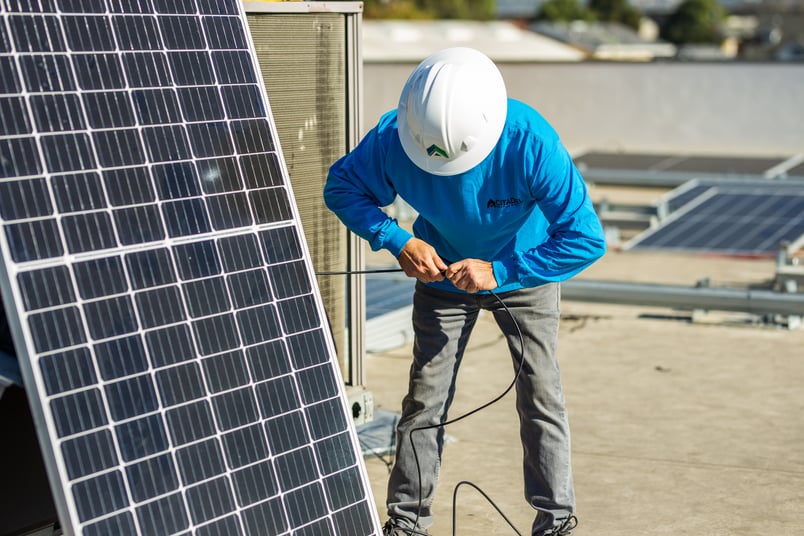
When scheduling a roof replacement project, it’s important to determine whether you’re thinking of adding a solar installation now or in the future. It will be less expensive to build a roof that can accommodate solar panels now than retrofitting a roofing system to handle solar in the future.
The Commercial Roof Replacement Process
A commercial roof replacement can take anywhere from a few days to several weeks depending on the size, slope, accessibility, and condition of the roof. While every project is unique, most commercial roof replacements follow the same basic process.
The project begins with a comprehensive roof inspection and condition assessment to determine the roof's overall health. Based on its age, remaining service life, extent of damage, and long-term lifecycle costs, the roofing contractor determines whether repair or replacement is the most appropriate solution.
Once replacement is recommended, the project team selects the roofing system based on the building type, local climate, budget, energy goals, and warranty requirements. The contractor then develops a project schedule, coordinates site logistics, implements safety measures, and establishes a communication plan to minimize disruption to normal business operations.
After planning is complete, the existing roofing system is removed as needed, allowing the roof deck to be inspected for hidden damage or structural concerns. Once any necessary repairs are made, the new roofing system is installed, including insulation, waterproofing components, flashing, drainage details, and the roofing membrane. Throughout the installation, the contractor performs quality inspections to verify the work meets manufacturer specifications and applicable building codes. The project concludes with a final walkthrough to confirm the completed roof is ready for service.
Choosing an experienced commercial roofing contractor is just as important as selecting the right roofing system. An established contractor should provide clear communication, prioritize jobsite safety, maintain rigorous quality standards, and have the expertise to successfully manage projects of any size or complexity.
Cost Considerations and Tax Implications
The cost of a commercial roof replacement can vary based on roof size, material selection, insulation needs, roof complexity, accessibility, structural repairs, and the amount of existing roofing that must be removed. Local permitting and code requirements can also influence project costs.
Unlike routine roof repairs, a full commercial roof replacement is often treated as a capital improvement for tax purposes. Rather than deducting the entire cost immediately, businesses may recover the expense over time through depreciation, depending on their specific circumstances. Because tax rules vary based on the property, business structure, and current IRS guidance, consult a qualified tax professional to determine how your project should be treated.
Businesses installing solar during roof replacement may qualify for applicable federal incentives if eligibility requirements are met. California incentive availability changes periodically, so verify current state or utility programs before planning your project. It would be a good idea to consult a qualified CPA or tax advisor regarding depreciation, deductions, and incentive eligibility.
Would you like to know how much it will cost to repair or replace your commercial roof? Check out our Instant Quote page.
Selecting the Right Commercial Roofing Contractor
Choosing the right contractor for your project isn’t as easy as running a Google search and clicking on the first result. There are several qualifications that you should check before you make that first call.
- Verify contractor licensing, insurance, bonding, and manufacturer certifications where applicable.
- Choose contractors with demonstrated experience on projects similar in size, complexity, and roofing system.
- Review safety record, OSHA compliance, and employee training practices.
- Request references, project examples, and customer reviews from commercial clients.
- Compare warranty coverage for both workmanship and manufacturer materials.
- Look for detailed proposals with clear scope, timeline, communication process, and pricing transparency.
- Consider contractors capable of providing roofing, waterproofing, and solar services through one coordinated team.
Industry Best Practices & Maintenance Tips
Whether you’ve just had a new roof installed or you’re maintaining a roof that’s been in service for a few years, maintenance is required to get the most from your roof.
- Schedule at least two professional roof inspections per year and one after every major storm.
- Keep drains, gutters, and scuppers clear to prevent water from ponding.
- Repair minor issues promptly before they develop into larger failures.
- Limit unnecessary roof traffic and use designated walk pads where appropriate.
- Keep records of inspections, maintenance, repairs, and warranty information for future planning.
- Trim vegetation and remove debris that can trap moisture or damage roofing materials.
- Develop an emergency response plan for severe weather events to reduce downtime and property damage.
Schedule a Consultation
Commercial roofs don’t last forever, and replacing yours when it begins to show the telltale signs of widespread failure can save you thousands in the long run. Citadel Roofing & Solar has decades of experience with commercial and residential projects of every size and level of complexity.

Contact us today to schedule a professional roof inspection. We'll provide a comprehensive assessment of your roofing system, identify any existing or potential issues, and recommend the most cost-effective solution to help you avoid unexpected repairs and costly surprises down the road.
Frequently Asked Questions about Commercial Roof Replacement
How do I know when my commercial roof needs to be replaced?
Several factors can indicate it's time for a commercial roof replacement. These include the roof's age, recurring leaks, widespread damage, storm-related deterioration, and declining energy performance. If repairs are becoming more frequent or the roof is nearing the end of its expected lifespan, a professional inspection can help determine whether replacement is the most cost-effective option.
Is it better to repair or replace a commercial roof?
It depends on the condition of the roof. Repairs are often appropriate for isolated issues, such as minor leaks or localized storm damage. However, if the roof has widespread deterioration, recurring leaks, or has reached the end of its expected service life, replacement is typically the better long-term investment. A qualified roofing contractor can evaluate the roof and recommend the most practical solution.
What are the most common signs a commercial roof needs to be replaced?
Common warning signs include recurring leaks, standing water after rain, cracks or damage to the roofing membrane, deteriorating insulation, mold or moisture inside the building, and increasing heating or cooling costs. These issues may indicate that the roofing system is no longer providing reliable protection.
Can a commercial roof be replaced without shutting down business operations?
In many cases, yes. Experienced commercial roofing contractors carefully plan projects to minimize disruptions by working in phases, coordinating schedules with building occupants, and maintaining safe access to the facility whenever possible. Every project is different, but many businesses remain operational throughout the replacement process.
What happens if I wait too long to replace a commercial roof?
Delaying a necessary roof replacement can allow small problems to become much larger ones. Water intrusion can damage insulation, ceilings, walls, equipment, and even structural components. Waiting too long may also increase repair costs, create mold issues, and lead to unexpected business interruptions or emergency repairs.
How often should a commercial roof be inspected?
Most commercial roofs should be professionally inspected at least twice a year, typically in the spring and fall, as well as after severe weather events such as high winds, hail, or heavy rain. Regular inspections can identify minor issues before they develop into costly repairs.
What is the best time of year to replace a commercial roof in California?
In many parts of California, commercial roof replacement projects are often scheduled during the drier months to reduce the risk of weather delays. However, the ideal timing depends on your location within the state, the type of roofing system being installed, and the urgency of the project. If your roof is failing, it's generally best not to postpone replacement solely because of the season.
How long does a commercial roof replacement usually take?
The timeline varies depending on factors such as the size and complexity of the roof, weather conditions, material selection, and whether the building remains occupied during construction. Smaller projects may take only a few days, while larger or more complex commercial roofs can require several weeks.
Will my building need to meet current building codes during roof replacement?
Possibly. Building code requirements often depend on the scope of the project and local regulations. An experienced commercial roofing contractor will understand the applicable codes, obtain any necessary permits, and ensure the completed roof meets current requirements.
Can I install solar panels when replacing my commercial roof?
Yes, and in many cases it's the ideal time to do so. Replacing an aging roof before installing commercial solar helps avoid the expense of removing and reinstalling solar panels later if the roof needs replacement. Planning both projects together can also improve long-term performance, simplify maintenance, and maximize the value of your investment.